



Cassoeula, the traditional dish among legends and saints
Prepared with savoy cabbage and pork refuse, the Cassoeula is one of the most famous dishes from the Lombardy region. With ancient origins it is particularly widespread in the winter season.
Of the pig does not throw anything away, rather we do the Cassoeula. This typical Lombard dish of peasant origin has as its main ingredients refuse of pork processing as: ears, tail, feet, rind and ribs. The traditional preparation involves cooking with savoy cabbage. These vegetables, however, before being boiled in pan with the pork must undergo the first winter frost, which shortens the cooking time and makes them more tender. Caloric dish and particularly suitable to face the cold of the early months of the year, the Cassoeula, in past centuries, it was among the most popular dishes among the peasants of the Po Valley. The latter made a virtue of necessity, making the most of those parts of the pig that lords and nobles refused on their tables.
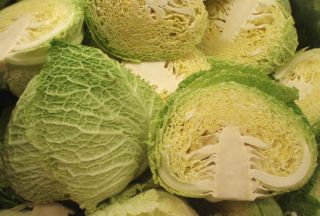
verza – savoy cabbage
The name
There is a bit of confusion about the origin of the name of this traditional dish. Probably it comes from cooking utensils with which it was prepared. Some believe that Cassoeula comes from “cassoeu”, ladle in Milanese dialect, for others the merit of the name would be ascribed to the casserole, or the pan in which it was cooked the savoy cabbage and pork. According to another tradition, more modern than the other, Cassoeula derives from “cazzuola (trowel)”, the typical instrument of the masons to spread the mortar between the bricks. This version has it that the workers, once the construction of the building had reached the roof, were using the trowel, in the absence of an actual ladle to stir the mixture during cooking. Another name with which the Cassouela is known is “bottaggio”. The term derives from “barrel” or more likely from the French “potage” soup.
The legend
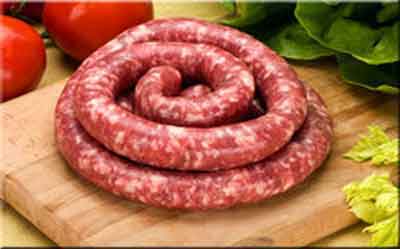
luganega
The Cassoeula as it is prepared today was born in the early twentieth century, but the oldest recipes have uncertain origin and quite controversial. The most popular legend is linked to the Spanish domination of Milan at the end of the sixteenth century. According to this popular tradition, the dish would have been born thanks to a Spanish soldier who was madly in love with a young Milanese. One day the girl, who was the cook of a noble family, had been asked to prepare a dinner for a big occasion but the pantry was empty. So the soldier ran to the aid of a young woman teaching her to do just the Cassoeula with the few ingredients available. The pot collected so successful that the cook decided to yield to the young officer’s court.
St. Anthony
Traditionally, however, the Cassoeula is tied to a particular religious feast: the feast of St. Anthony Abbot. The founder of Christian monasticism is considered the protector of domestic animals. In iconography it is often depicted next to a pig that has a bell to the neck. The anniversary falls on January 17, the day when the Church blesses the animals by placing them directly under the protection of the saint. The date, originally, marked the end of the period of slaughtering of pigs. For this reason, the Cassoeula was and is still today considered “the dish of the feast of St. Anthony.”
Variants
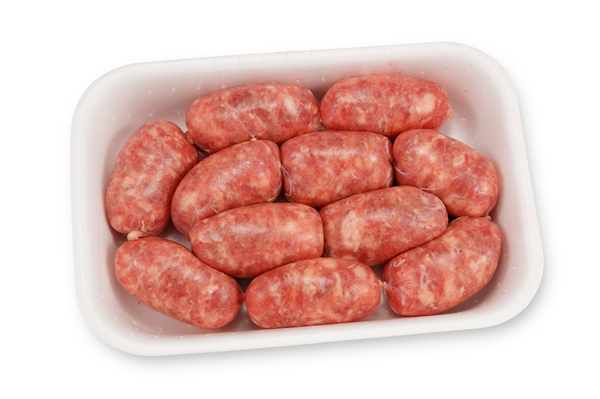
verzini
The traditional recipe calls for the Milan Cassoeula plentiful savoy cabbage and pork parts as Verzini, pigskin, ribs and legs. The result can be considered satisfactory only if, after cooking, the dish turns out to be anointed and “tachénto” which in Milanese dialect means sticky. Like all traditional dishes, also Cassoeula has been handed down with slight modifications. Thus, one can encounter in the original recipe variations depending on the area of Lombardy. In Brianza, for example, the Cassoeula is more dry than that of Milan that is more soupy. In Como you do not put the feet but it uses the pig’s head, while in the province of Pavia you only use the baby ribs. The most striking difference, however, is recorded in Novara where pork meat can be replaced by that of goose.
Source: lacucinaitaliana.it
Ingredients for the original cassoeula
For 6 people
• 1.5 kg of savoy cabbage
• 800 grams of pork ribs
• 250 grams of cleaned pig skin, scraped and washed
• 2 Verzini per person (ie sausages for savoy cabbage, if failing, even better in addition, 350 grams of luganega sausage or sausage)
• 2 clean pig’s feet, scraped and washed
• 1 pig ear, cleaned, scraped and washed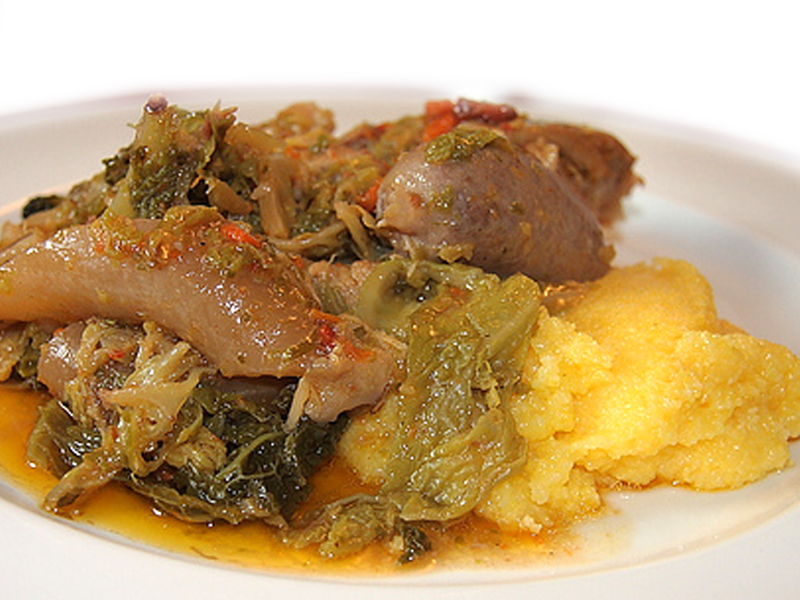
• 200 grams of carrots
• 200 grams of celery
• 100 grams of onion
• 50 grams of butter
• 1 cup dry white wine
• beef broth
• salt and pepper to taste
How to prepare the original cassoeula
Boil for about an hour, in a pot with boiling water, the pork feet cut in half, the rind and the ears.
In a large saucepan, over low heat, put the butter and fry the onion then add the pork tibs, the ear and the pork rind cutted into strips.
Cook making brown well on high heat meat. Add celery and chopped carrots, pour the white wine and allow to evaporate. Add one or two ladles of broth, put salt and pepper, mixing everything.
Put the lid on and leave on very low heat for at least an hour and a half making sure that do not stick to the bottom (in the case add more broth).
Meanwhile, clean the savoy cabbage, coarsely cut into pieces and cook over low heat in a covered pot with a little water until it wilts (5-10 minutes).
Then put it in the meat saucepan with the sausage cut into pieces and the whole Verzini. Cover and cook over medium heat for another 45 minutes checking that do not stick to the bottom.
Provide every so often to remove the fat on the surface.
Serve hot if you want even with polenta.
Leave a comment